Aachen in the Footsteps of Charlemagne
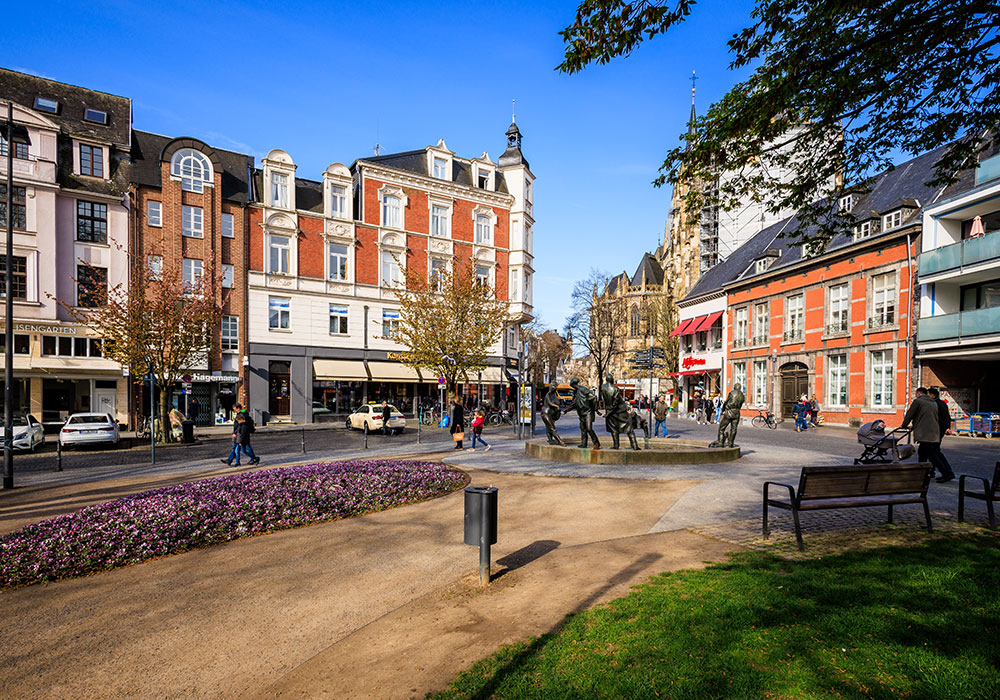
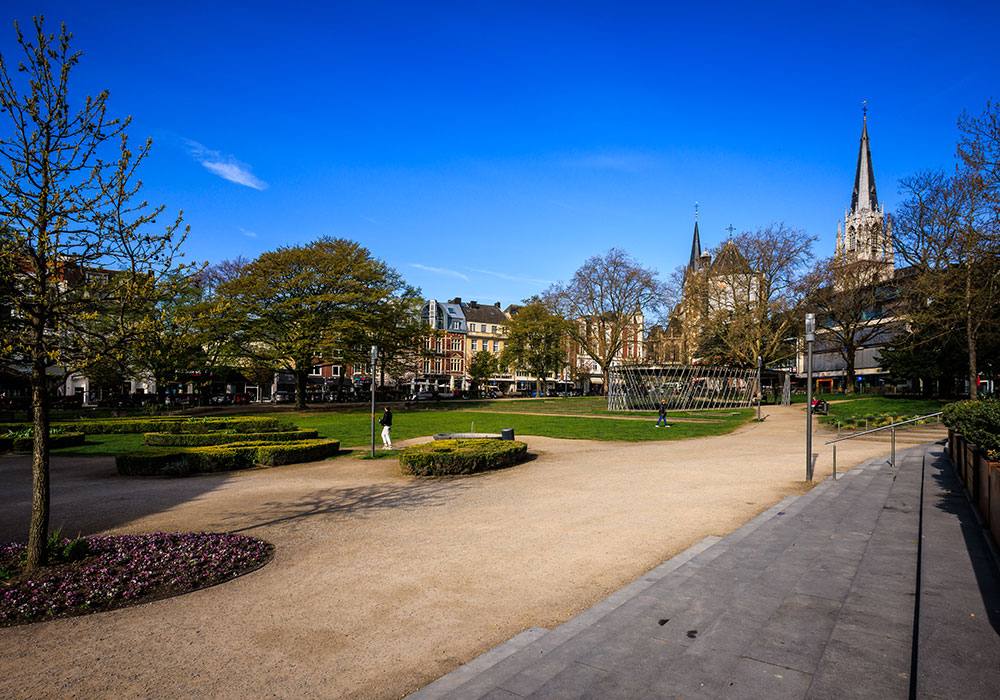
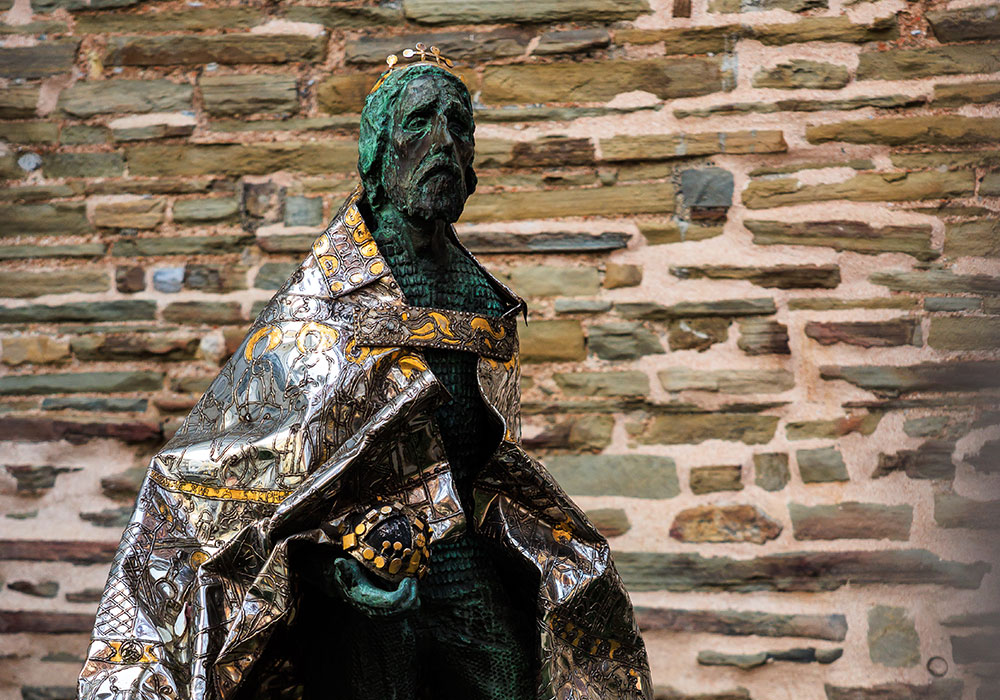
The Route Charlemagne leads through Aachen’s old town to the most significant historical and cultural sites of the Imperial City. Named after Charlemagne—Karl der Große in German—it commemorates the Frankish King and later Emperor, who made Aachen his preferred seat of power around 800 AD, thereby decisively shaping the history of Europe.
The route was conceived in 2007 as the main project of the city of Aachen as part of the cross-border Euregionale 2008 of the state of North Rhine-Westphalia. Since 2009, the stations have been gradually opened to visitors. The international cultural festival “Across the Borders” has been an integral part of the route since 2008, connecting cultures and borders in a unique way.
The 8 Stations of the Route Charlemagne
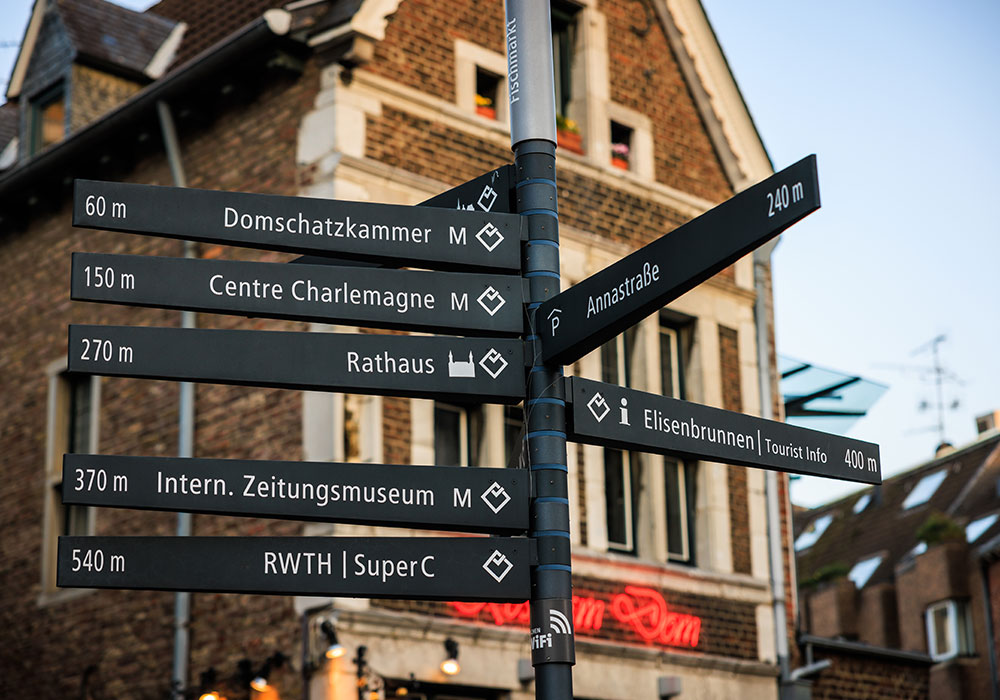
The route connects eight significant locations in Aachen’s city center, with each station having its own main theme:
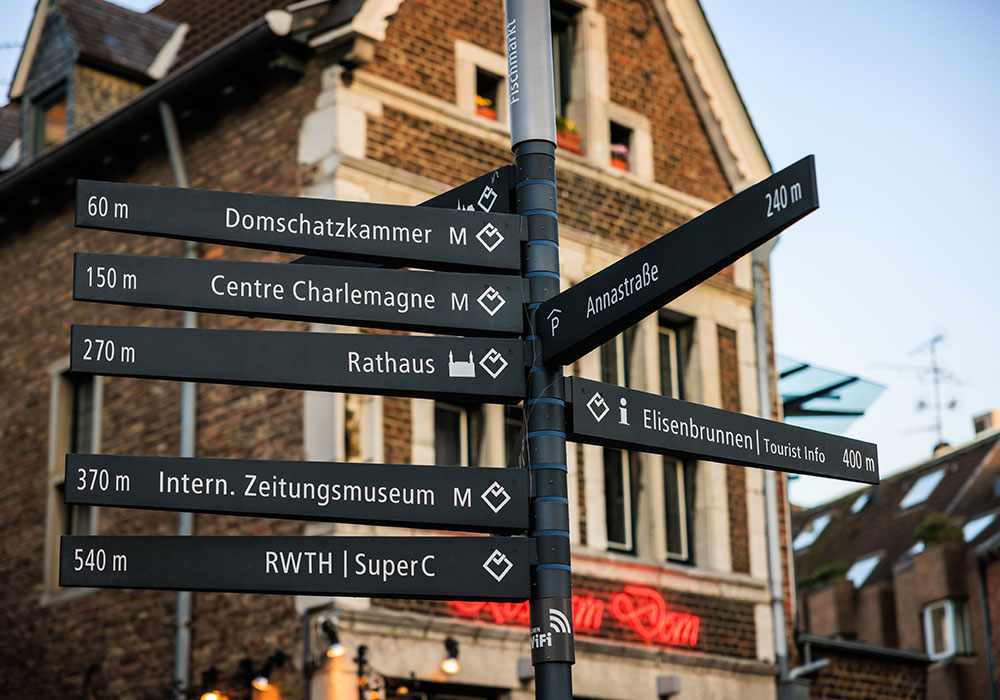
• Centre Charlemagne – History: The city museum as the starting point of the route, with four epochs of Aachen’s history from Roman times to the present.
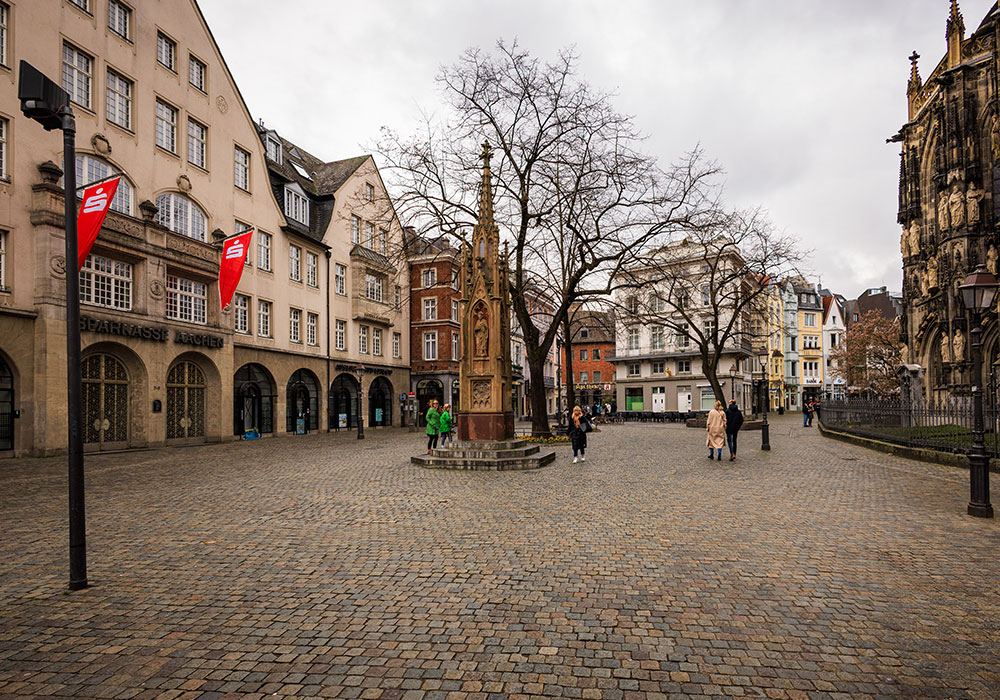
• Aachener Rathaus – Power: The Gothic masterpiece built on the foundations of the Carolingian palace, with Coronation Hall and Charlemagne Prize ceremony.
• Aachener Dom – Religion: The UNESCO World Heritage Site, oldest preserved domed structure north of the Alps and coronation church of the German kings.
• Grashaus – Europe: Extracurricular learning center with workshops on European history and culture.
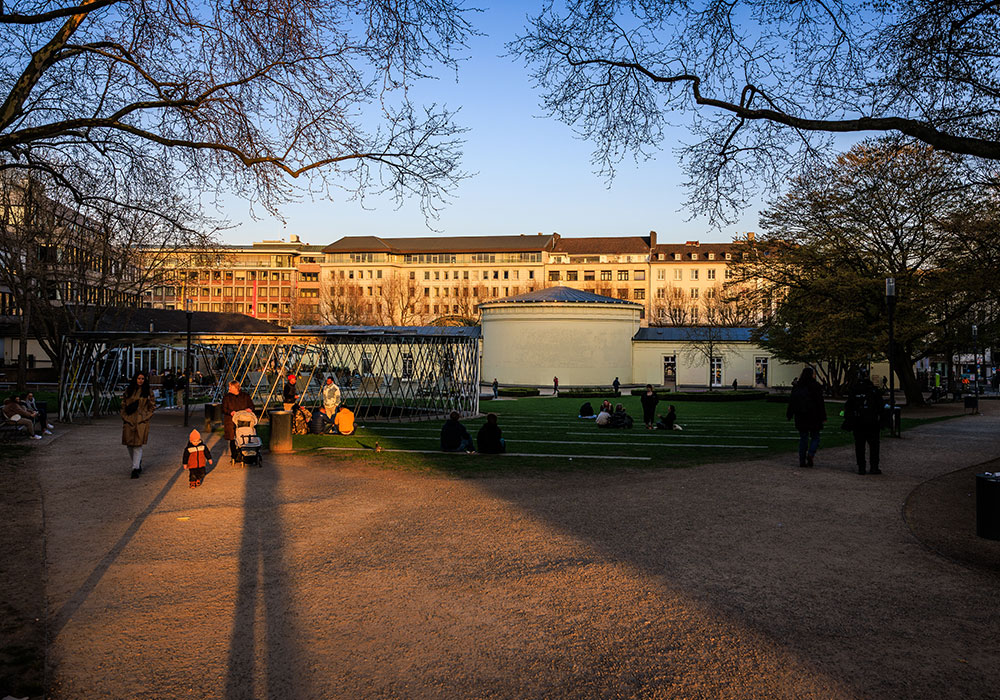
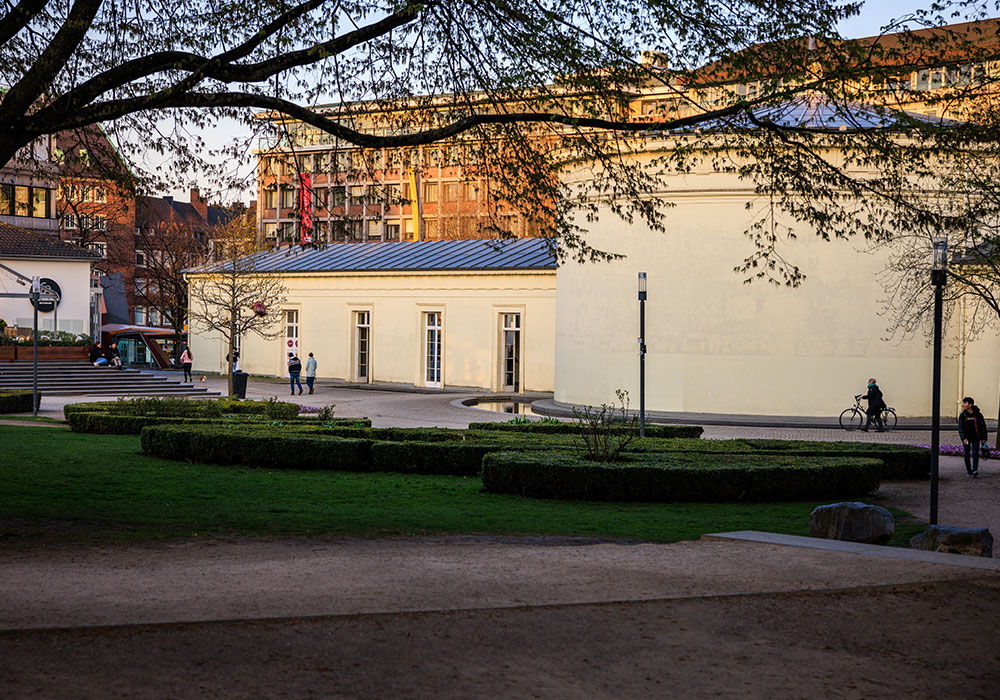
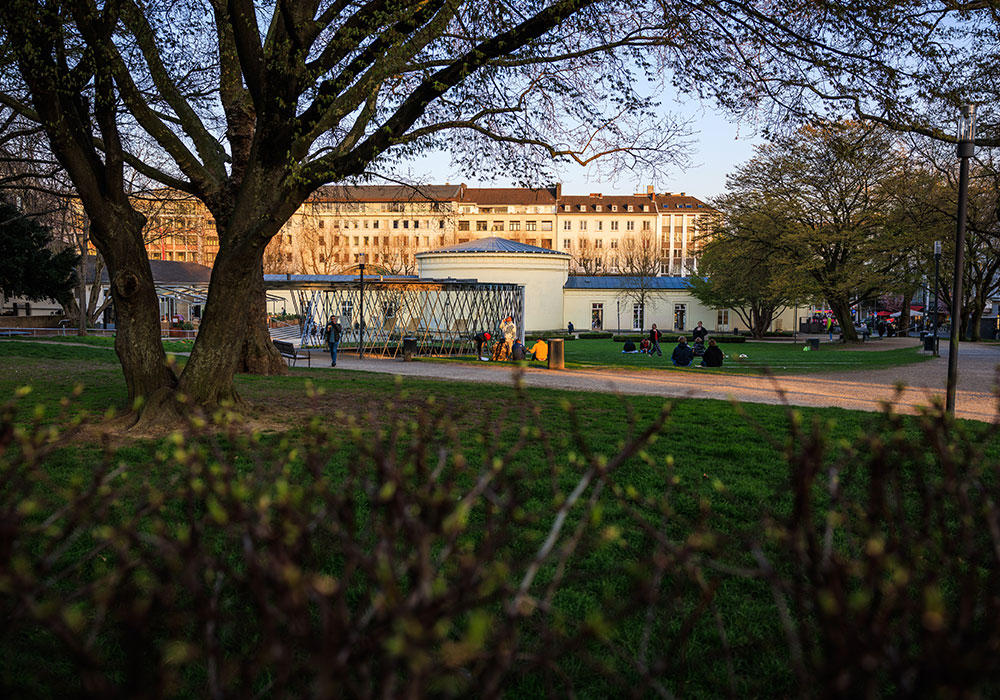
• Elisenbrunnen – Bathing Culture: The landmark of the spa town of Aachen, where hot thermal springs have been bubbling for centuries.
• Couven Museum – Lifestyle: An insight into Aachen’s bourgeois life after the Great Fire of 1656.
• International Newspaper Museum – Media: One of the most significant newspaper collections in the world – unique in Europe.
• Super C (RWTH Aachen) – Science: The modern service center of RWTH Aachen as a symbol of Aachen as an international city of science.
How to explore the route
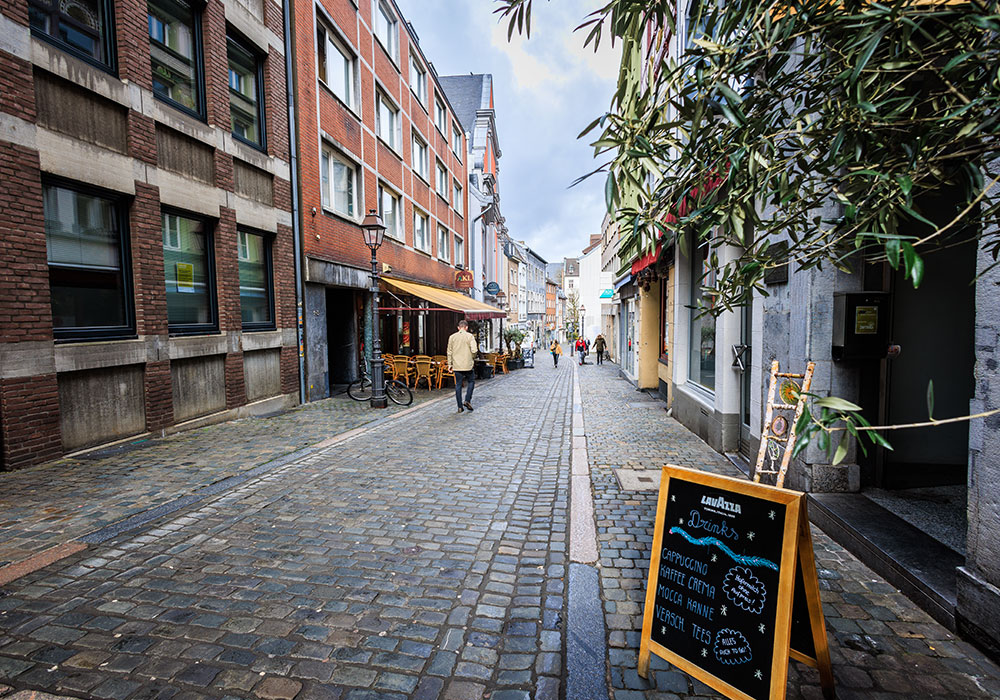
The route is easy to explore on foot – all eight stations are in or right on the edge of Aachen’s old town and can easily be reached in half a day to a full day. For a more in-depth experience, the official Route Charlemagne app is recommended as an audio guide, providing exciting background information at each station. Special guided tours and events are also offered regularly.
For more information about the route, opening hours, and current events, visit the official Route Charlemagne website: route-charlemagne.eu