Aachen Cathedral
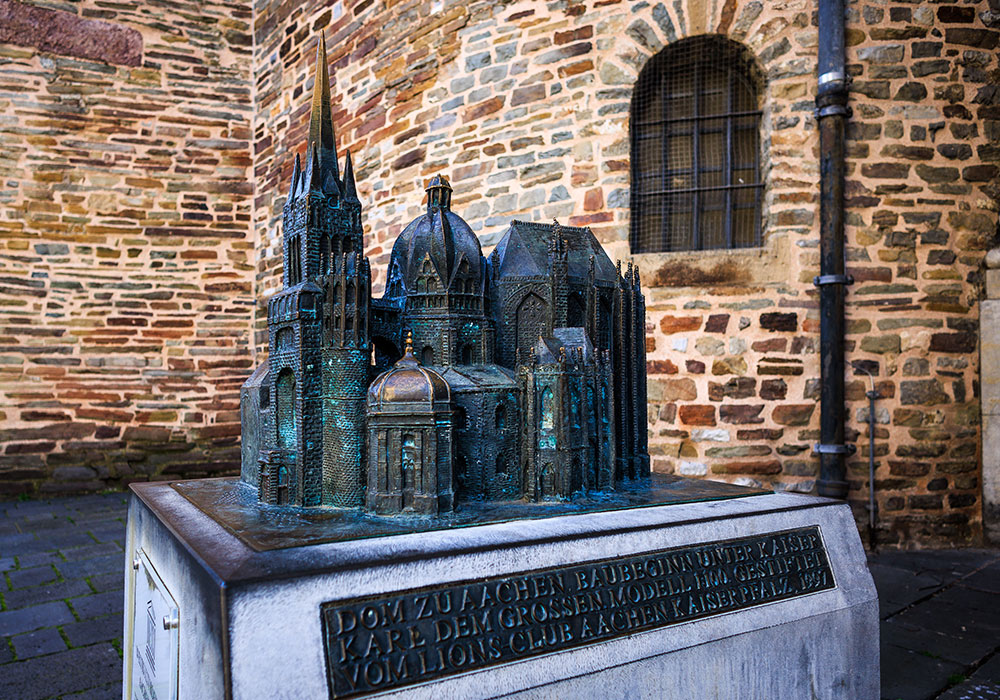
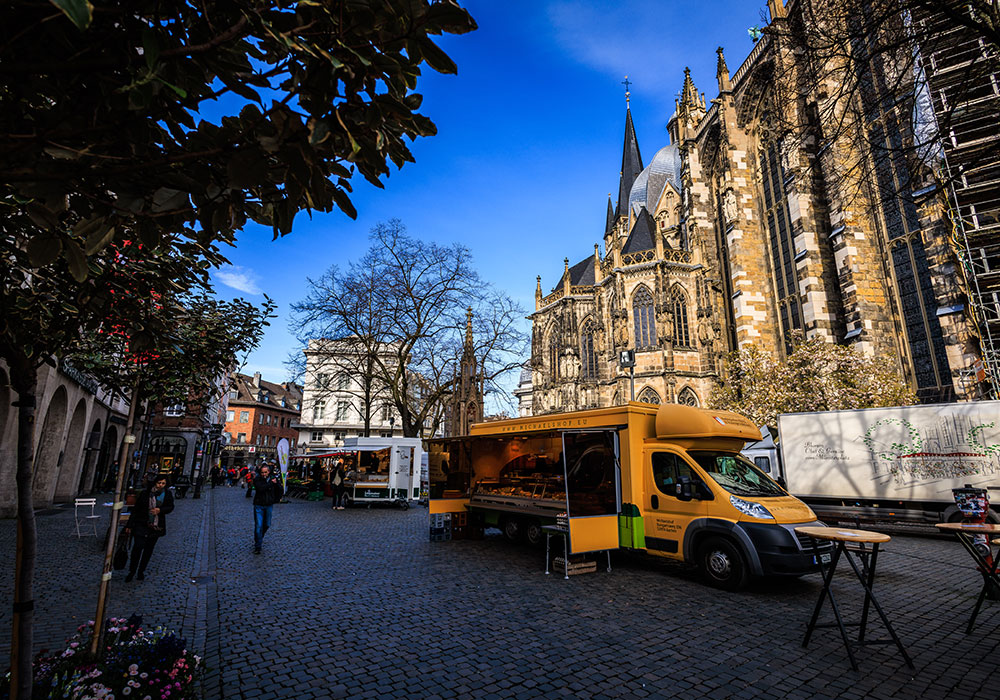
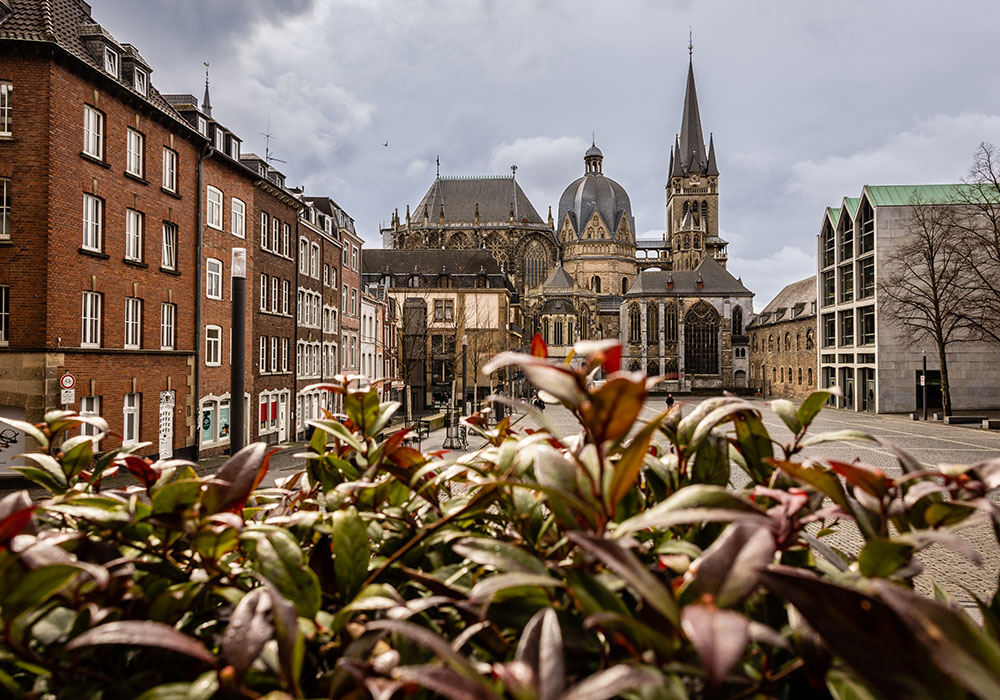
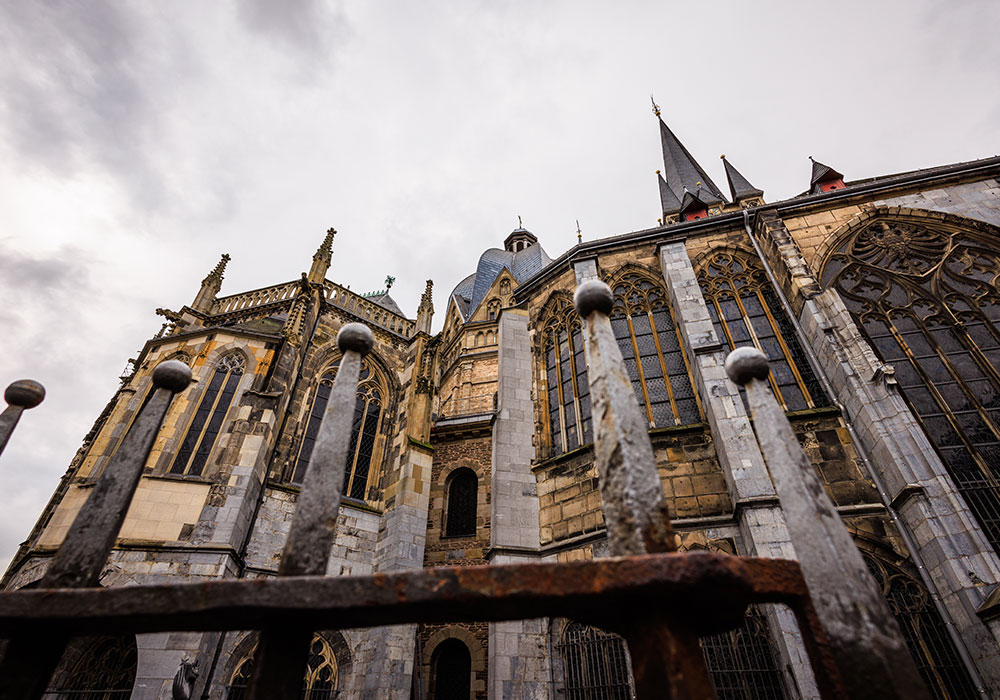
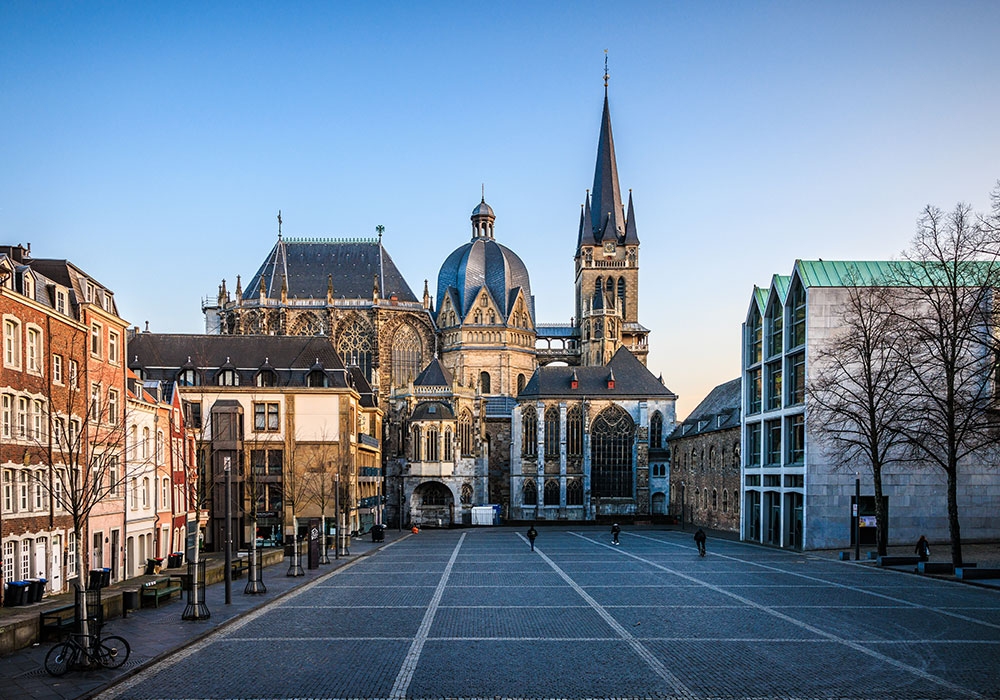
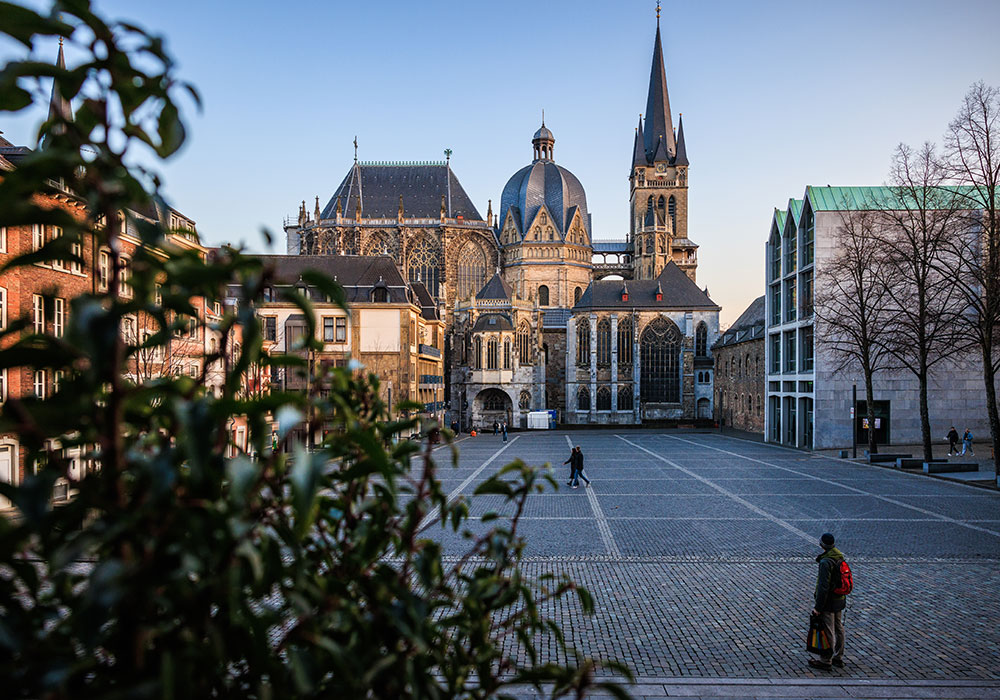
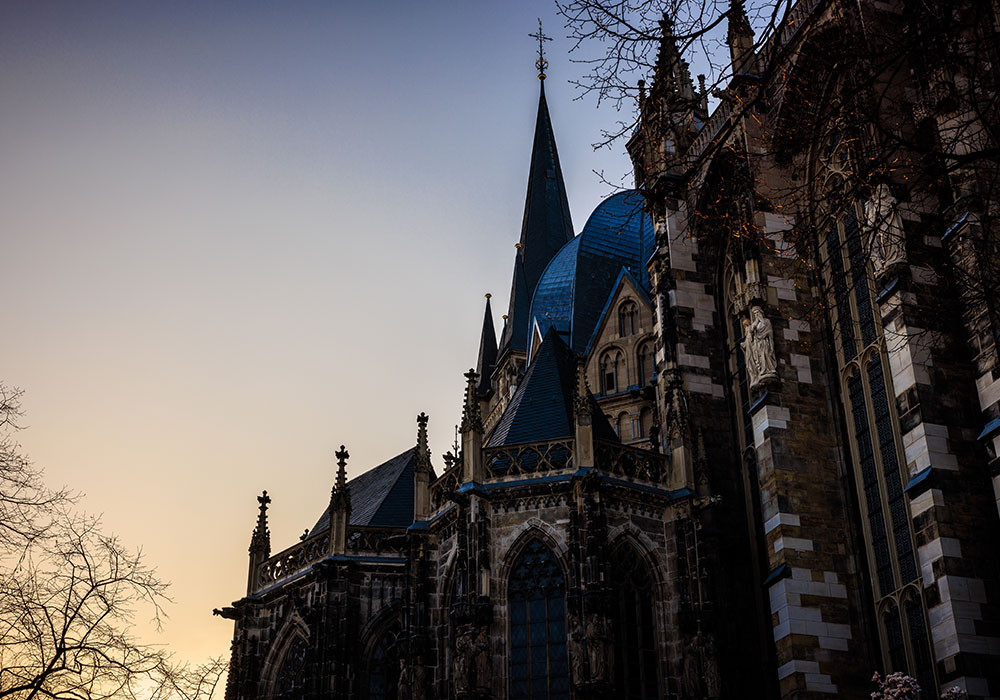
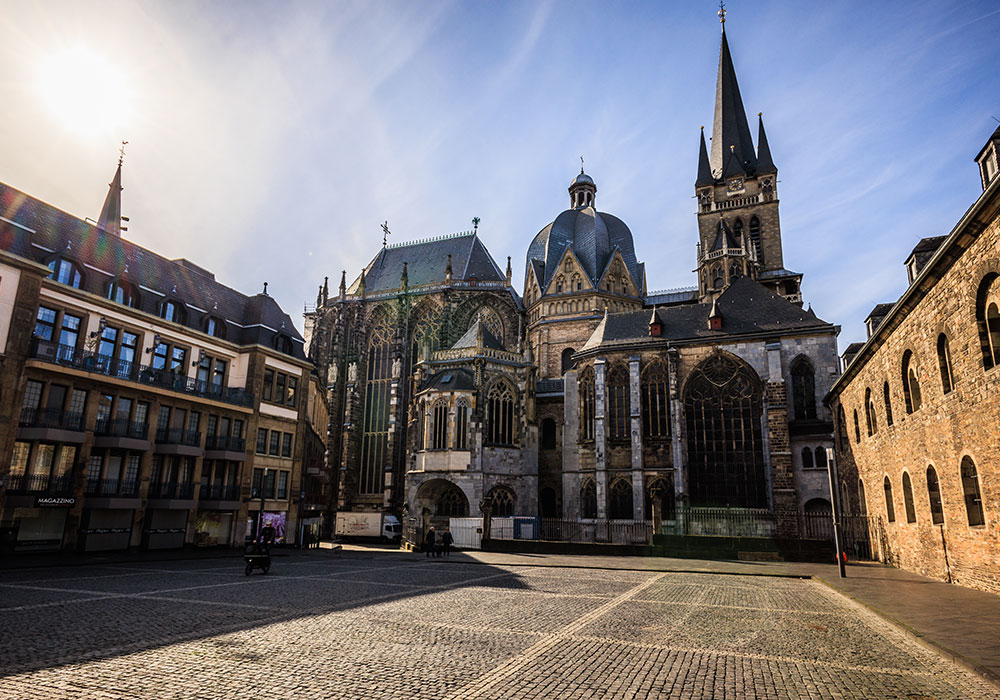
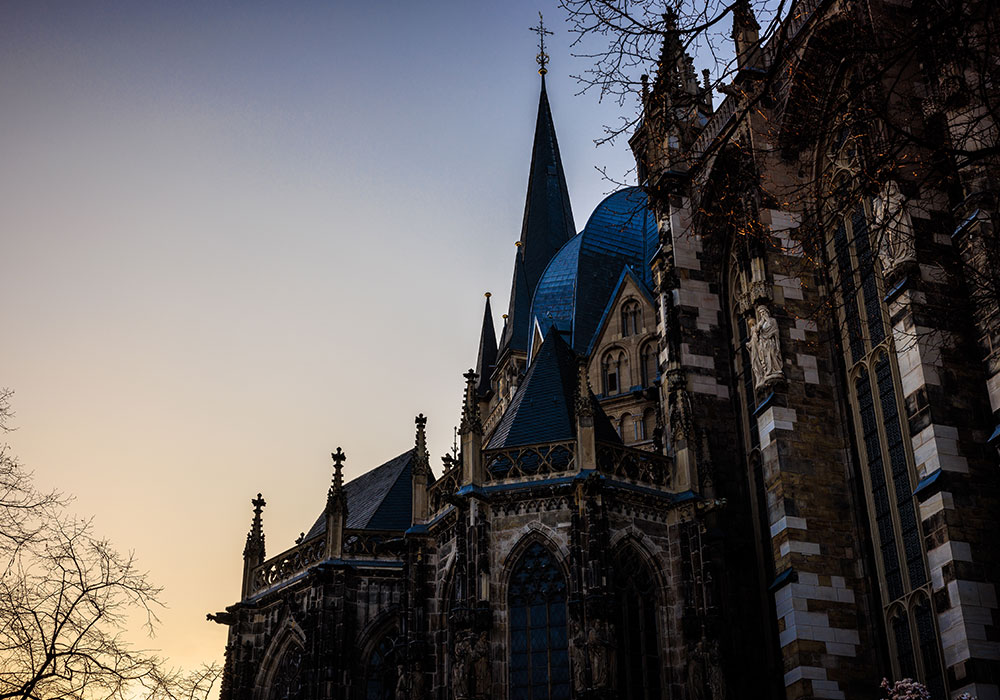
Aachen Cathedral, also officially known as St. Mary’s and St. Stephen’s Cathedrals, is an imposing and impressive cathedral in Aachen, Germany. The cathedral is one of the city’s most famous landmarks and a significant example of Carolingian architecture. The cathedral was added to the UNESCO World Heritage List in 1978 and attracts thousands of visitors every year.
History of Aachen Cathedral:
The history of Aachen Cathedral dates back to the 8th century, when Charlemagne had his residence in Aachen. Construction of the cathedral began in 786 and was completed in various phases over a period of about 200 years. The cathedral was built on the ruins of a Roman thermal bath and was used as a palace chapel by Charlemagne.
The cathedral was consecrated in 805 and became the first episcopal see north of the Alps. Over the centuries, the cathedral has been repeatedly restored and expanded, with many important personalities contributing to its design and preservation. The Aachen Cathedral Chapter Library, the oldest library in Germany, contains valuable manuscripts and books from the Middle Ages.
Architecture of Aachen Cathedral:
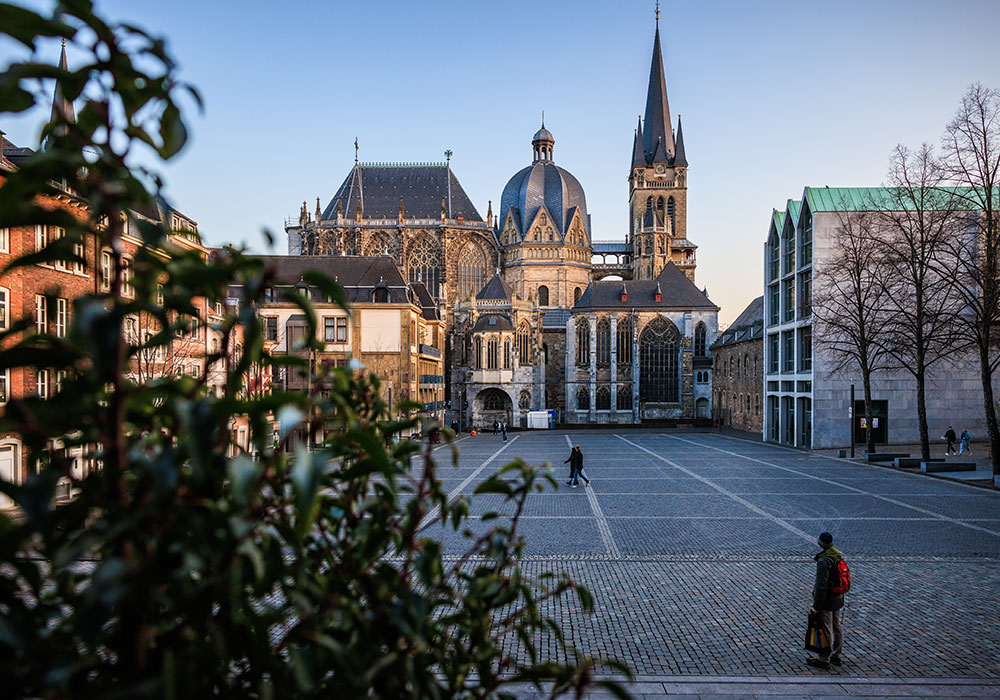
Aachen Cathedral is a remarkable example of Carolingian architecture and is often considered the oldest preserved building of its kind in Europe. The cathedral has a combination of Byzantine, Roman and Germanic elements that are unique. The circular dome, resting on four massive pillars, is a prominent feature of the cathedral and shows the technical mastery of the architects.
The interior of the cathedral is rich in art and history. The apse of the cathedral contains a magnificent mosaic depicting the Annunciation of the Nativity of Jesus Christ. The mosaics were created by Greek artists in the 9th century and are an impressive example of the art of the Byzantine Empire.
Aachen Cathedral also houses a number of chapels that have been added over the centuries. The Chapel of St. Nicholas is one of the oldest and contains a collection of treasures, including liturgical utensils and relics. The Chapel of St. Mary is known for its magnificent 14th century murals depicting scenes from the life of the Virgin Mary.
Significance of the Aachen Cathedral:
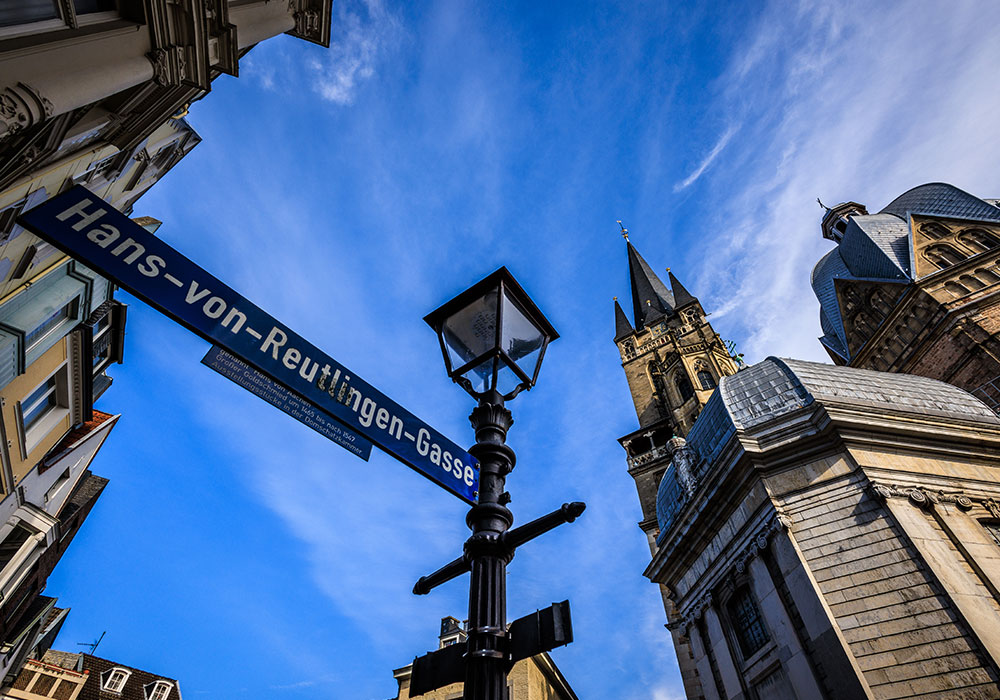
Aachen Cathedral is not only an important place of faith, but also a symbol of European history and culture. The cathedral was the place where the coronations of 31 Roman-German emperors took place, including Charlemagne. The cathedral is a place of great historical importance and attracts thousands of visitors from all over the world every year.